

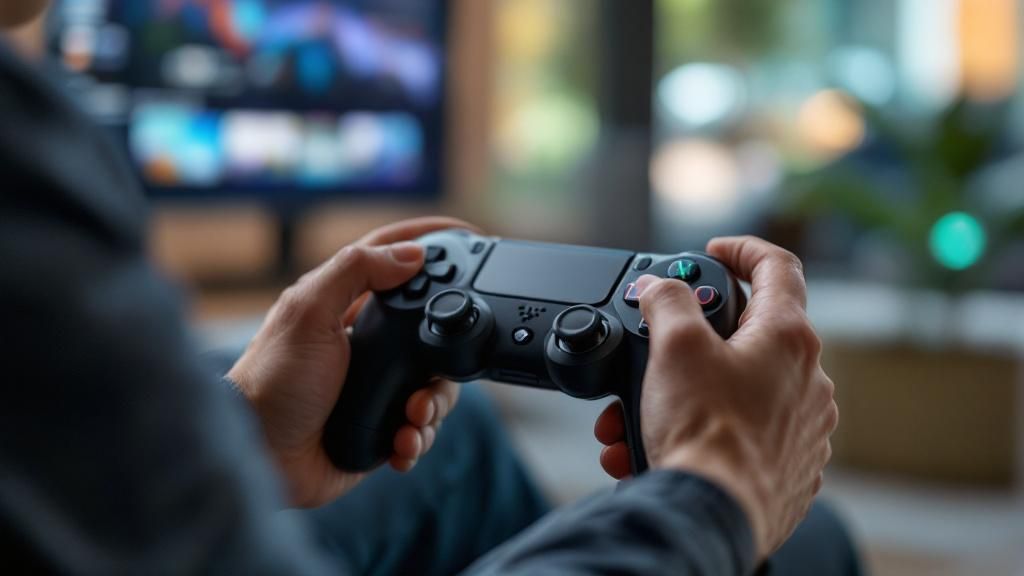
Microsoft has once again showcased its commitment to accessible gaming by unveiling groundbreaking controller features purposefully designed to cater to players with varied access needs. These new features promise to reshape the interactive experience for individuals facing mobility challenges, providing adjustable control options, responsive controls, and intelligent software connectivity. This article investigates the transformative technology underpinning these improvements, examines how they enable gamers of varying abilities, and considers the larger significance for the gaming industry’s inclusive design requirements.
Innovative Design for Inclusive Gaming
Microsoft’s newest controller innovations mark a substantial milestone in inclusive gaming technology. The design philosophy emphasises customisation, permitting players to reconfigure buttons, triggers, and analogue sticks according to their specific requirements. These adaptive features support users with diverse mobility, motor control difficulties, and sensory requirements. By integrating feedback mechanisms and design principles focused on comfort, Microsoft has created a controller that meets diverse physical needs. The device’s flexible structure enables seamless adjustments without demanding technical expertise, democratising gaming accessibility for millions of players worldwide.
The comprehensive design goes further than physical modifications to include advanced software integration. Microsoft’s learning algorithms understand individual player preferences, dynamically adjusting control schemes drawing from usage patterns and feedback. This intelligent personalisation ensures that each gamer experiences peak performance tailored to their unique abilities. The controller’s support for existing Xbox and Windows gaming platforms maximises accessibility reach, removing barriers that formerly excluded countless individuals from standard gaming experiences. Such progressive engineering reflects Microsoft’s committed dedication to creating genuinely accessible entertainment ecosystems.
Key Accessibility Features and Capabilities
Button Mapping Configuration and Controller Setup
Microsoft’s latest controller innovation introduces advanced button reassignment capability that enables users to personalise their input configuration according to individual requirements. Players can now remap any button to execute different actions, accommodating those with limited dexterity or particular movement difficulties. This adaptability extends beyond conventional games, allowing users to optimise their experience across various applications and platforms. The user-friendly configuration interface guarantees that even those new to complex options can access adjustment with ease, democratising inclusion across the gaming community.
The adaptive trigger technology delivers a substantial advancement in tactile feedback customisation. Users dealing with hand strain or grip-related issues can modify trigger responsiveness and resistance levels to match their physical needs. This feature proves especially advantageous for prolonged gaming periods, reducing strain whilst maintaining responsive gameplay. Furthermore, the controller’s software allows concurrent setup of several profiles, allowing quick switching between varying game demands without manual recalibration between sessions.
Eye Tracking and Voice Control Integration
Microsoft has integrated advanced eye-tracking capabilities, allowing players with severe mobility restrictions to control gameplay through visual focus alone. This groundbreaking innovation employs sophisticated camera technology to detect ocular motion with remarkable precision, translating visual focus into actionable game commands. The system learns individual eye patterns and compensates for inherent differences, ensuring consistent accuracy throughout lengthy gameplay. This breakthrough technology fundamentally transforms gaming accessibility for individuals with limited limb mobility or paralytic disorders.
Alongside eye tracking, the controller now features robust voice command integration, enabling hands-free control through recognition of natural language. Players can engage abilities, access menus, and communicate with teammates entirely through voice commands. The system supports multiple accents and speech patterns, utilising machine learning algorithms to increase accuracy over time. This dual-modality approach ensures that individuals with different accessibility needs can opt for their preferred way of interacting, enhancing comfort and control.
Haptic Feedback Customisation and Sensory Adaptation
The advanced haptic feedback system provides detailed control over vibration strength, frequency, and duration, serving users with varying sensory sensitivities. Players can customise haptic responses for individual actions, confirming vibration patterns enrich rather than distract from gameplay. This proves invaluable for individuals with sensory sensitivities, letting them experience engaging gameplay without overwhelming stimulation. The customisation extends to auditory cues, which can be changed or swapped with on-screen displays for those with hearing difficulties.
Microsoft’s devotion to sensory inclusivity includes innovative accessibility options for colour-blind players and those with difficulties processing visual information. The controller functions with advanced display settings that modify on-screen colour palettes and contrast ratios without compromising aesthetic quality. Additionally, the system supports alternative forms of feedback, including haptic patterns that communicate information typically communicated through visual or auditory means, ensuring complete sensory accessibility across all gaming experiences.
Influence on the Gaming Sector
Microsoft’s accessibility-driven controller advancements have substantially reshaped the gaming landscape, allowing millions of players formerly shut out from mainstream gaming to participate fully. The launch of adaptable control options and adaptive features has democratised gaming, enabling individuals with different physical capabilities to enjoy titles alongside their peers. This technological advancement has prompted other industry leaders to reassess their inclusive approaches, creating a ripple effect throughout the sector. The controller’s success demonstrates that inclusive design isn’t merely a corporate responsibility but a commercially viable approach that broadens audience appeal significantly.
Beyond commercial implications, these controller advancements have fostered a more inclusive gaming community marked by authentic inclusion. Disabled gamers now benefit from lower entry barriers, enabling them to build meaningful connections through shared gaming experiences. Online communities have thrived, with players discussing personalisation options and recognising their newly acquired gaming skills. Microsoft’s initiative has meaningfully altered industry perception, embedding accessibility as a essential design consideration rather than an last-minute addition. This perception change promises enduring advantages, motivating developers to emphasise inclusivity in forthcoming gaming platforms and applications.
