

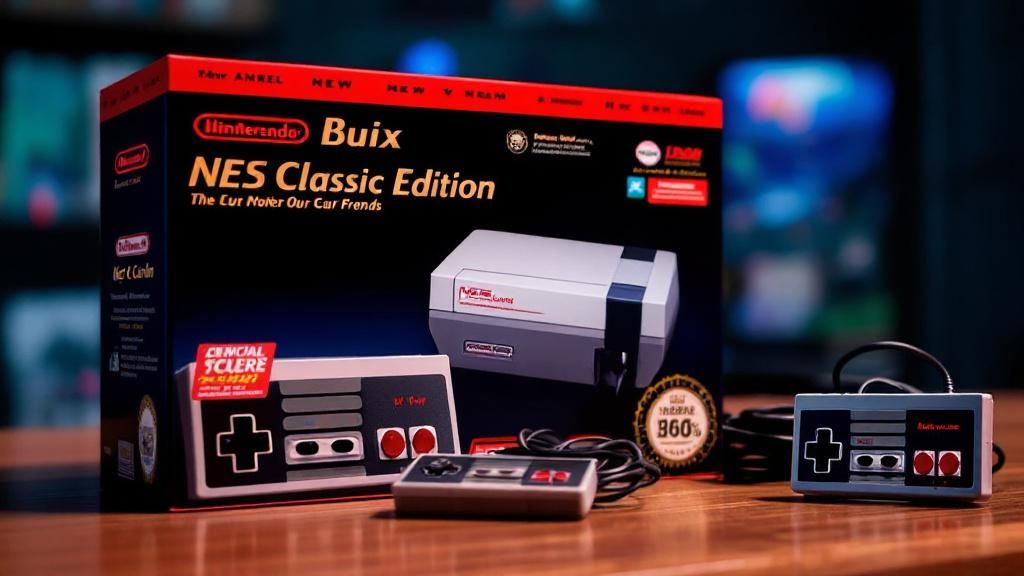
The eagerly awaited Nintendo Entertainment System Classic Edition has emerged as the essential purchase this holiday period, with inventory disappearing from major British retailers at an extraordinary speed. From Currys to John Lewis, shelves emptied completely within days after launch, leaving keen gamers and collectors disappointed. This article explores the extraordinary demand surge, determines which retailers still have limited stock available, and investigates whether Nintendo plans to restock before Christmas.
Record-Breaking Interest Grips the Nation
The Nintendo Entertainment System Classic Edition has captured the imagination of British consumers in remarkable fashion, with orders greatly outstripping initial stock allocations across the country. Retailers from London to Edinburgh have witnessed customers queuing ahead of store opening, whilst web-based stores encountered system outages due to surging visitor numbers. This remarkable spike in demand reflects both nostalgia amongst older gamers and fresh interest from younger audiences encountering these beloved games for the first time.
Industry analysts have described the selling phenomenon as one of the most significant retail events in gaming history. Major chains including Argos, Smyths Toys, and Game have all confirmed full inventory depletion within their networks. The scarcity has inevitably triggered secondary market activity, with some listings appearing on reseller marketplaces at substantially elevated prices, further illustrating the strength of buyer demand for this highly desired launch.
Stock Shortages at Leading High Street Stores
The Nintendo Entertainment System Classic Edition has created unprecedented demand across the United Kingdom’s retail market. Leading high street retailers have experienced rapid stock depletion, with available stock plummeting within just days of the product’s release date. This remarkable shortage reflects the console’s widespread appeal amongst both nostalgic gamers and new enthusiasts alike, prompting retailers to adopt buying restrictions and online queue management to control the exceptional customer demand.
Currys and John Lewis Report Empty Shelves
Currys, one of the nation’s leading electronics retailers, announced total stock depletion across all their physical locations within forty-eight hours of launch. Customer service representatives verified that opening shipments depleted quicker than expected, with numerous locations unable to complete pre-orders made weeks in advance. The retailer has since implemented a waiting list arrangement, though delivery timescales remain unclear, with numerous customers experiencing postponements extending well into the new year.
John Lewis similarly encountered extraordinary customer interest for the Classic Edition, with their principal locations across London, Manchester, and Birmingham reporting empty shelves by midday on the following business day. The luxury department store chain has historically maintained better stock levels than competitors, yet even their considerable stock holdings proved insufficient. John Lewis representatives indicated that restocking efforts remain complicated by ongoing supply chain constraints and production allocation restrictions.
E-commerce Businesses Encounter Equivalent Obstacles
Amazon UK’s online platform faced major technical problems during busy trading times as thousands of customers attempted same-time purchases of the Classic Edition. The retailer’s website went down sporadically, preventing transactions and frustrating potential buyers. When stock eventually became available through the platform, inventory ran out within moments, with delivery estimates now reaching February for new orders, disappointing many customers expecting festive delivery.
Other major online retailers, such as Argos and Game, have similarly struggled to maintain adequate stock levels. Both platforms currently display the product as out of stock, with customers unable to book units or obtain confirmed delivery timeframes. Industry analysts suggest that online retailers miscalculated customer demand significantly, leading to insufficient initial stock allocations and resulting inability to fulfil the overwhelming volume of customer orders received.
Collector Enthusiasm and Gaming Community Reaction
The Nintendo Entertainment System Classic Edition has sparked considerable excitement amongst gaming enthusiasts and gaming collectors throughout the United Kingdom. Internet discussion boards and social networks have been abuzz with dialogue concerning the system’s nostalgic appeal and extensive library of pre-installed titles. Collectors particularly value the device as a premium addition to their vintage gaming collections, with numerous collectors regarding it as an investment piece that could increase in value as time passes.
The player base’s response has been overwhelmingly positive, with gamers commending the faithful recreation of the classic console experience. Numerous content creators and gaming websites have published comprehensive analyses highlighting the console’s build quality and capabilities. However, the widespread sellout has also sparked conversations about Nintendo’s production capacity and supply chain approaches, with numerous fans expressing frustration about the restricted stock levels and demanding greater inventory distribution to satisfy actual customer interest from committed players.
